
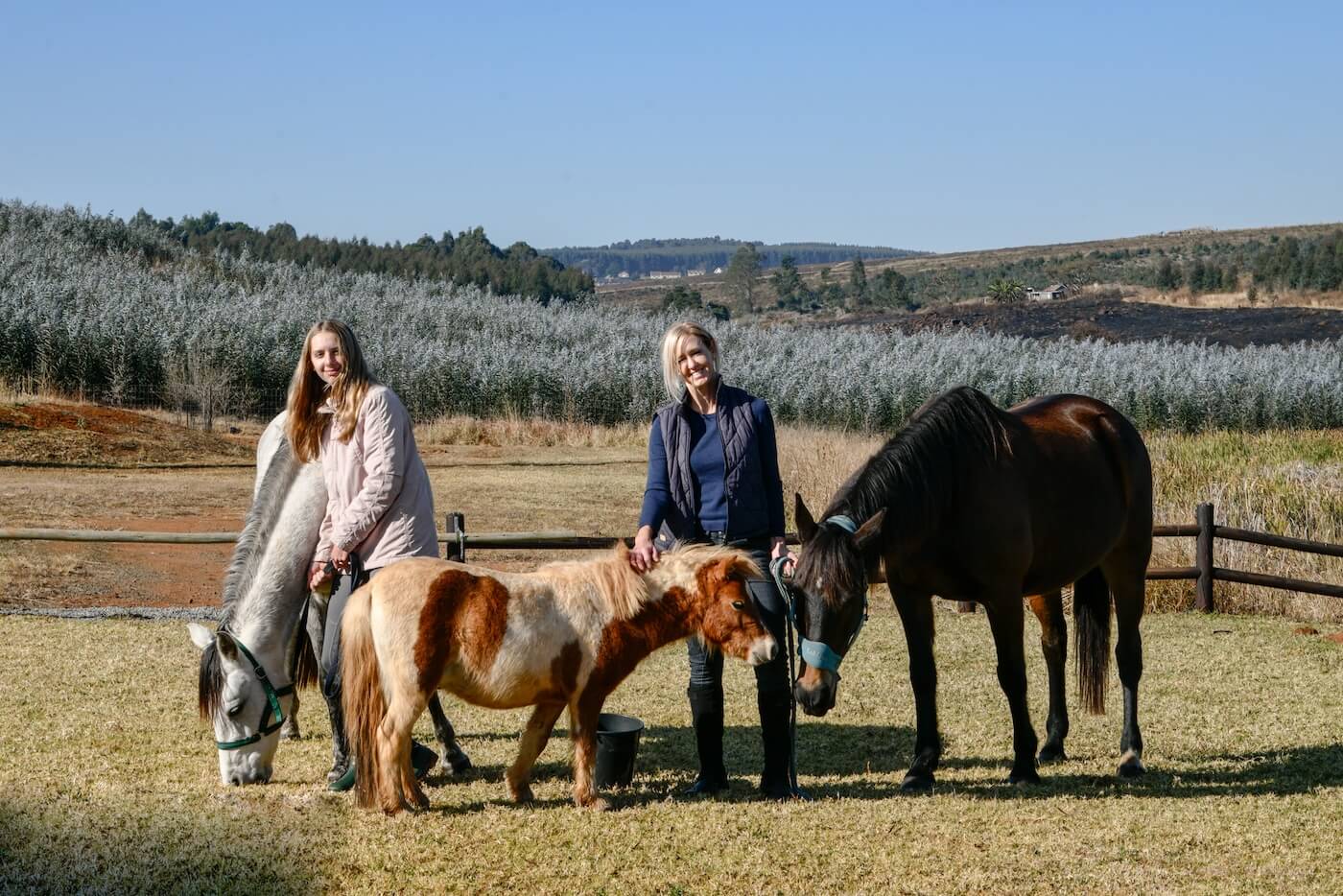
Mindfulness in Motion: What Horses Taught Me About Being Present
Introduction
As both a horse rider and a coach, I’ve learned that being fully present isn’t just a nice idea, it’s essential. In the saddle, a horse knows instantly if your mind has wandered. They can feel your tension, sense your distraction, and respond to your energy. The same is true in coaching, clients notice if you’re truly listening or if you’re already thinking ahead to the next question. For me, mindfulness has been the bridge between distraction and connection. By learning to be in the moment, I’ve built stronger relationships with my horses, my clients, and myself.
1. The Benefits of Mindfulness
Mindfulness is simply the practice of paying attention, on purpose, without judgment. While it sounds simple, the impact can be profound and science backs this up. Research has shown that mindfulness can:
- Reduce stress by calming the body’s fight-or-flight response and lowering cortisol levels.
- Improve focus and concentration, making it easier to stay engaged with the task at hand.
- Enhance emotional regulation, helping you respond rather than react when challenges arise.
- Boost overall well-being, leading to greater satisfaction in daily life.
For riders, mindfulness means clearer communication with the horse. For anyone, it means showing up more fully in each moment, whether you’re in a meeting, making dinner, or simply enjoying a walk outside.
2. Practical Mindfulness Tips
You don’t need hours of meditation or a retreat in the mountains to experience the benefits of mindfulness. Here are a few simple ways to start integrating it into your daily life:
- Begin the day with three deep breaths before checking your phone or starting your routine. This sets a grounded tone for the day.
- Practice mindful walking focus on the sensation of your feet touching the ground, the rhythm of your steps, and the sounds around you.
- Use daily tasks as mindfulness anchors, such as feeling the warmth of the water while washing dishes or noticing the texture of your food as you eat.
- Pause before reacting in conversation; take a breath and notice your thoughts before speaking.
- Set reminders—an alarm or sticky note to prompt you to check in with your breath and body during the day.
These moments may seem small, but like consistent training for a horse, they build a stronger foundation over time.
Mindfulness is not about clearing your mind or achieving perfection, it’s about noticing what’s happening right now and choosing how you respond. Start small: one mindful breath, one moment of stillness, one intentional pause. Over time, these moments add up, creating a steadier, calmer, and more focused way of living.
In the saddle, in the coaching space, and in everyday life, presence is power. Mindfulness gives you that power one moment at a time.